産地 Matcha from Japan
Japanese matcha regions, terroir and 800 years of history
Not all matcha is the same. Where the plant grows, how long it is shaded, when it is picked and how it is ground all change the colour, aroma and taste in the cup.
碾茶 What makes matcha different
Shade, steam and slow grinding
Matcha is powdered green tea, but not just any green tea ground up. Weeks before harvest, the plants are covered to block most of the light. In the shade, the leaf produces more chlorophyll and keeps its amino acids, such as L-theanine, which give the jade-green colour and the characteristic umami with less astringency.
The picked leaves are quickly steamed to stop oxidation, dried without rolling and cleaned: veins and stems are removed. What remains, called tencha, is the raw material for matcha. Only then is it ground, traditionally in a stone mill, very slowly so the powder does not heat up, or in modern industrial mills (jet or ball mills), which reach a similar or finer particle size with far more output.
Ordinary powdered green tea (ground sencha, for example) usually skips the shading and the leaf cleaning. The result is generally more bitter and less green, and it lacks the body matcha gives a latte.
要 In short
- Shade for about 20 days or more before harvest (typically 20 to 30 days for the first flush)
- Steam right after picking, to keep the green
- Tencha: dried leaf with veins and stems removed
- Grinding to a fine powder, by stone or jet mill, without heat
歴史 History
Eight centuries of monks, samurai and coffee shops
12th century. The Zen monk Eisai returns from China in 1191 with tea seeds and the habit of drinking whisked powdered tea, used in monasteries to stay focused during meditation. In 1211 he writes the Kissa Yōjōki, the first Japanese book on the benefits of tea.
13th to 15th centuries. Cultivation spreads out from Kyoto. Uji, south of the capital, gains the patronage of the Ashikaga shoguns and becomes famous for the quality of its leaves, supplying the court and the temples. Tea moves from the monasteries to the aristocracy and the warrior class.
16th century. Chanoyu, the tea ceremony, takes shape, refined by masters such as Sen no Rikyū. It is also in Uji, in the second half of the century, that growers begin shading the plants with reed and straw screens before harvest. Beyond protecting against frost, shade gives a sweeter, greener, less bitter leaf: the technique that defines matcha to this day.
17th to 19th centuries. In the Edo period, Uji tea travels in procession to the shogun. With the arrival of sencha (leaf tea) in the 18th century, steeped tea becomes the everyday drink and matcha stays closer to the tea ceremony and traditional sweets.
20th century. Mechanisation, selected cultivars and new growing regions, above all in Kyushu, expand supply, and matcha enters the food industry: ice cream, chocolate, pastry.
Today. The matcha latte has become a menu item worldwide, and demand is growing faster than supply: a new tea field takes about five years to reach its first harvest. Since 2025 Japanese matcha prices have risen sharply, and securing the first harvest from trusted growers has become part of the business for any serious café.
産地 The regions
Regions and personalities
We work with growers across Japan. The origin of each lot is stated in the quote, and you choose the profile that suits your menu.
鹿
Kagoshima · southern Kyushu
Volcanic soil, a warm climate and an early spring: this is where Japan’s first harvest happens, from late March to early April. Large, modern tea gardens produce a matcha with vivid green, pronounced sweetness and umami, consistent lot after lot. Today Kagoshima is Japan’s largest tencha-producing prefecture, ahead of Kyoto, and the leader in organic tea farming.
八
Yame · Fukuoka, northern Kyushu
Mountain valleys where the gap between day and night temperatures and frequent mist build umami in the leaf. Yame is Japan’s most awarded gyokuro region, with more than twenty consecutive top prizes at the national tea competition, and its tencha carries the same character: mellow sweetness and deep body, created by a demanding yet generous land, season after season.
静
Shizuoka · between Mt. Fuji and the Pacific
Japan’s largest tea prefecture by planted area, between Mt. Fuji and the Pacific, with a long tradition of loose-leaf green teas such as sencha and gyokuro. Tencha and matcha are a small but fast-growing part of its output, including gardens on the foothills of Mt. Fuji: deep umami and a silky finish, with a clearly defined single origin.
宇
Uji · Kyoto
The historic home of Japanese matcha and the global style reference. Shading was developed here in the second half of the 16th century. River valleys, well-drained slopes and small growers with centuries of tradition give a matcha with an elegant aroma and refined umami. Kyoto is also where hojicha was born, around 1920, and Uji still produces artisanal hojicha, carefully roasted and ground.
風土 Terroir
What changes the taste in the cup
Climate and soil
Cool, misty conditions with big swings between day and night slow the plant down and reduce the conversion of theanine into bitter catechins, so the leaf keeps more amino acids: more umami, less bitterness. Volcanic soils, as in Kagoshima, and well-drained slopes, as in Uji and Yame, give different profiles to the same cultivar.
Cultivar and harvest
Yabukita is Japan’s most planted cultivar (over 60% of the tea area), balanced and reliable. Saemidori and Okumidori are valued for vivid colour and low astringency; Asatsuyu, nicknamed “natural gyokuro” by producers, is soft and creamy. The first spring harvest, the ichibancha, is the richest; later harvests have a firmer flavour, ideal for pastry.
Shade, grinding and blends
More days of shade, more umami and colour. A stone mill is slow and gives a soft, silky powder; a jet or ball mill gives far more output at a similar or finer particle size. A single-origin lot shows the character of one place; a blend of several regions aims for balance and consistency through the year. We work with both.
How to recognise good matcha
- Colour: vivid jade green. Yellowish or brownish tones point to older leaves or oxidised powder.
- Aroma: fresh and sweet, reminiscent of new grass. A hay-like or burnt smell is a warning sign.
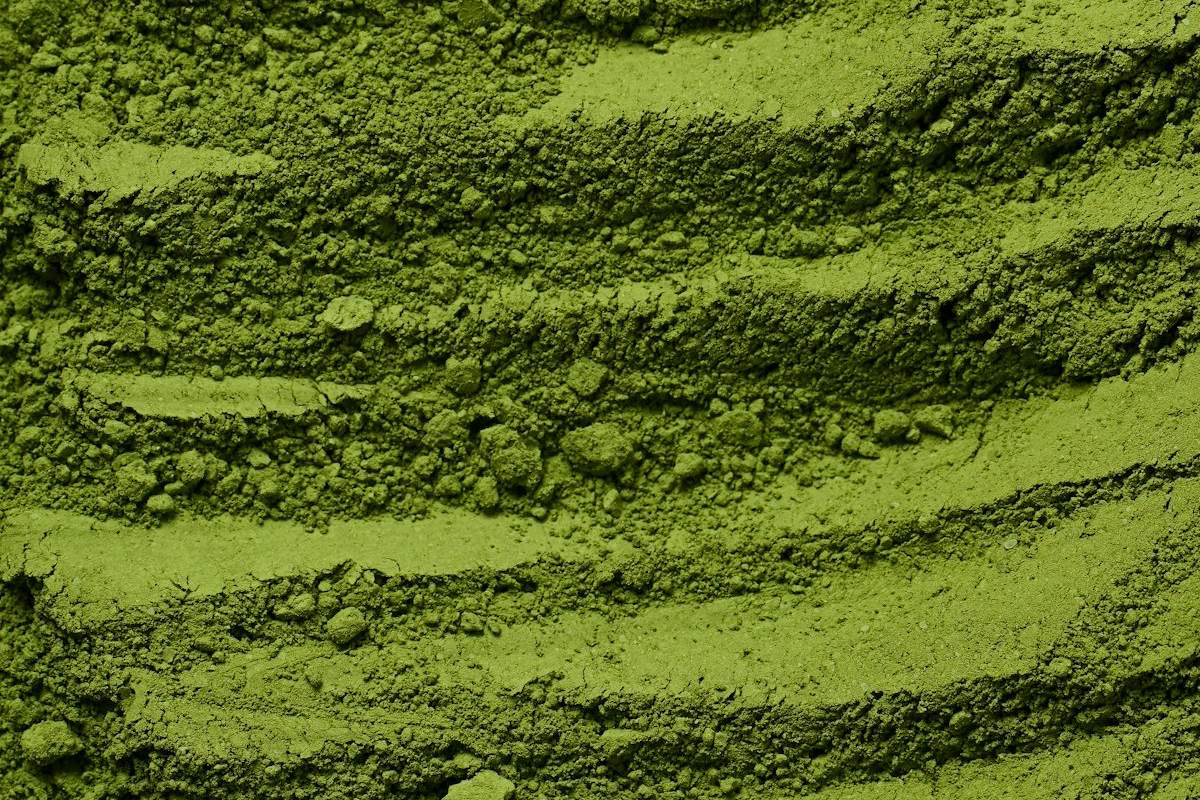
- Texture: an ultra-fine powder that clings to the fingers. Coarse powder feels gritty and settles quickly in milk.
- Foam: whisked properly with water, it forms a fine, stable foam with no large bubbles.
- Taste: umami and sweetness up front, a short bitterness at the end. In a latte, a good matcha keeps a clear green tone even with plant milk.
卸 For your business
We buy directly from Japanese matcha growers across several regions, with the origin of each lot stated and options with Japanese organic certification (JAS). We send samples so you can compare the grades on your own menu before deciding.
Request your quote
Tell us about your business and receive the price list and samples.